

Why Is Cork Footwear Trending in India?
Short answer: Cork footwear is trending in India for two reasons: sustainability and styling. Cork comes from tree bark that grows back, and a cork and rubber footbed moulds to the foot while giving designers more colours and strap options than a plain EVA sole. Most Indian buyers meet it first in cork sandals and slippers.
Key takeaway: Cork brings a natural, renewable footbed and a two-tone look that EVA and plastic soles can't match. Treat it as dry-weather footwear and it lasts well.
Cork is a natural material that, when mixed with rubber, gives a footbed a lot of strength and flexibility. This strength and flexibility make it an ideal material to replace EVA and plastic. Cork footwear in India is becoming more popular every year. Other than the sustainability benefits, cork gives the footwear's design a unique look. EVA and plastic have been in use for many years, and cork's entry as a footwear material has been welcomed for trend and styling.
Cork footbeds became popular in men's footwear first, and now they are getting very popular in women's footwear too. To understand why cork footwear is so much in demand in India, we need to look at two reasons: sustainability and styling.
Is cork footwear sustainable?
Yes. Cork is the outer bark of the cork oak tree, and it is stripped by hand without cutting the tree down. The bark grows back and can be harvested again every 9 to 12 years. Because the footbed replaces part of the EVA or plastic in a sandal, cork footwear uses less petroleum-based material than an all-EVA pair.
Where does cork come from?
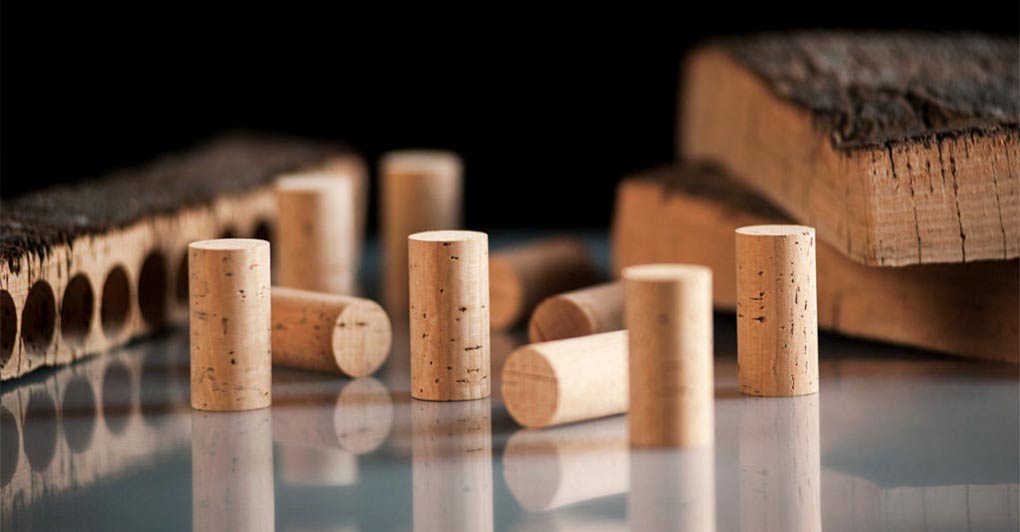
Cork is collected by using only the bark of the trees. No trees are cut to derive cork. The bark that is stripped grows back naturally, and the tree keeps living. A cork oak can live for around 200 years and be harvested more than 16 times in that life. Cork is one of the best materials in terms of being sustainable, natural, eco-friendly and harmless to nature.
The bark that is removed takes 9 to 12 years to grow back before it can be harvested again. Harvesting the cork is good for the oak trees and the environment. When the trees regrow their bark, a harvested cork oak absorbs three to five times more carbon dioxide than one that is never harvested. The regrowth of the bark is the main reason for this. So you do good work for the planet by choosing cork footwear.
How is cork used in footwear?
For footbeds, cork bark is ground into granules. On its own, granulated cork cannot be used to make a footbed. Rubber, on the other hand, is very soft and is not usable in its raw form either. A mixture of cork and rubber makes a great combination. It is strong, it takes body weight, it does not break easily, and it moulds to the contour and arch of the foot over time.
Can cork replace EVA and plastic in footwear?
As you can see, cork mixed with rubber is ideal for replacing EVA and plastic in footbeds, which is why cork has become a sustainable option in footwear. Most cork sandals still use an EVA or rubber outsole underneath for grip, so the change happens in the footbed, where your foot actually rests.
Cork vs EVA vs leather footbeds: how do they compare?
A cork footbed is firmer than EVA, moulds to the foot over the first few weeks and looks natural. EVA is lighter, softer at first and fully waterproof. A leather footbed feels smooth and looks formal but needs more care. Pick cork if you want a footbed that shapes itself to you and you mostly wear sandals on dry days.
| Feature | Cork and rubber footbed | EVA footbed | Leather footbed |
|---|---|---|---|
| Source | Tree bark that grows back | Petroleum-based foam | Animal hide |
| Feel at first wear | Firm | Soft | Smooth, firm |
| After a few weeks | Moulds to your foot | Can flatten | Softens |
| Water | Don't soak | Fully waterproof | Don't soak |
| Look | Natural, two-tone edge | Plain, single colour | Formal |
| Colour options for designers | Upper, insole, lining and sole | Mostly upper only | Upper and footbed |
Why does cork make footwear look different?
Cork gives a sandal a natural, two-tone edge that a plain EVA or plastic sole can't. Designers can pick colours for the upper, insole, lining and sole separately, and the wide, open footbed takes thong, parallel-strap, buckle and Velcro designs. That variety is a big part of why cork sandals and slippers have caught on with Indian buyers.
Cork is new, flexible and mouldable, and using it raises the style quotient of a product. It gives a natural look and a twin-colour sole effect. With cork, one can manufacture cork slippers, sandals, sliders and even shoes.
Cork is currently more popular in slippers and sandals than in other categories. Both men and women like cork styling in footwear. Cork slippers that use a footbed of around 70% cork and rubber with an EVA bottom are getting very popular. This reduced use of EVA makes the product stronger and helps it resist wear.
A cork footbed raises the style quotient in many ways. Here are a few reasons why.
More colour options
Cork footwear for women and men gives the designer a number of colour options. Designers enjoy the range of materials that can be used with cork slippers and sandals. They have a choice of colours in the upper, insole, lining and outsole. So when you design a cork sandal or slipper, with so many colours to choose from, it becomes a delight for the designer and the buyer. In plastic or EVA sole slippers and sandals, you mostly choose only the upper colour. This colour range makes cork sandals and slippers a great choice.
Works with almost any upper
Cork slippers and sandals allow you to use a variety of uppers. Be it PU, leather or fabric, you can use any material with a cork footbed. A cork footbed is good for bonding because of its rough surface, so almost any upper material can be glued to it. You can use leather, or you can make vegan leather footwear with a cork footbed.
The cloudy grey cork mules are one example. They pair a matte synthetic leather upper and a suede leather insole with a cork and rubber midsole and an EVA outsole, and close with an adjustable buckle.
With or without a toe ring
Cork slippers and sandals for men and women can be made with or without a toe ring. This is because the footbed is wide enough to allow different styles.
The black thong cork sandals for men use the toe-ring style. They have a cork and rubber footbed with a suede leather insole, a cork and EVA sole and a buckle with adjustable straps, and they are rated 4.7 out of 5 across 11 reviews on their product page (November 2026).
Velcro and buckles
The cork footbed is wide and open, which makes Velcro and buckles easy to use. This gives a good fit and adds a styling angle to the footwear.
For women, the parallel black cork sandals use two adjustable Velcro straps over a cork and rubber footbed with a real suede leather insole. They hold a 4.9 rating from 18 reviews.
Polyester lining in place of leather
The inside lining of cork footwear can be polyester or leather. This makes it possible to make the footwear fully vegan.
As you can see, cork is a sustainable footwear material that also raises the style quotient of the footwear. There is no looking back for cork in our footwear.
Is cork footwear good for Indian weather?
Cork footwear suits most of the Indian year. The footbed stays comfortable in dry heat and moulds to your foot with wear. It is not made for soaking, though: water can stain a suede footbed and change its texture. Keep cork pairs for dry days and switch to an EVA or rubber pair on waterlogged monsoon roads.
If a cork pair does get wet, let it air-dry at room temperature, away from direct sun, before you wear it again. Day-to-day care is simple:
- Brush off loose dust with a soft, dry brush.
- Wipe the upper with a slightly damp cloth.
- Dry-brush the suede footbed and keep water and detergent off it.
- Air-dry the pair at room temperature.
For deeper cleaning, including a baking soda paste for the insole, see our guide on how to clean a cork footbed.
Is cork footwear worth buying?
Yes, if you want a footbed that shapes itself to your foot, a natural look and a more sustainable material than all-EVA footwear. Cork sandals cost more than basic EVA slippers because they use more layers and materials. Choose them for daily wear on dry days, office, travel and festive outfits, and keep a cheaper EVA pair for rain.
Men choosing a first pair can start with our cork sandals guide for men, which covers styles, fit and sizing in more detail.
Cork footwear makes sense if you:
- wear sandals for long hours and want a footbed that moulds to your foot
- want a natural, two-tone look that works with kurtas, chinos and jeans
- prefer materials that come from a renewable source
When you're ready to compare designs, the men's range of cork sandals for men has thong, parallel, double-layered and mule styles.
Sizing differs a little between styles, so check the size chart on each product page against your foot length before you order. A cork footbed holds its shape, so a pair that is too long or too short won't stretch to fit.
For women, the range of cork sandals for women includes thong, parallel and double-layered designs in neutral and pastel colours.
Frequently asked questions
Does harvesting cork harm the tree?
No. Only the outer bark is stripped, by hand, and the tree is never cut down. The bark grows back over 9 to 12 years, and a cork oak can be harvested many times in a life of around 200 years.
Is cork footwear vegan?
The cork itself is plant-based. Whether the whole pair is vegan depends on the upper, insole and lining. A cork sandal with a synthetic upper and polyester lining can be vegan, while one with a suede or leather insole is not.
Can cork sandals get wet?
A few splashes won't ruin them, but don't soak or machine-wash cork sandals. Water can stain a suede footbed and change its texture. Wipe them dry and let them air-dry at room temperature before wearing them again.
Why are cork sandals more expensive than EVA slippers?
A cork sandal combines a cork and rubber footbed, an insole, an upper, a lining and an EVA or rubber outsole. An EVA slipper is often one moulded piece. The extra materials and layers make cork pairs cost more.
Why does a new cork footbed feel firm?
Cork and rubber start firm and soften slightly as the footbed moulds to your foot's shape. Wear a new pair for a few hours a day in the first week, and it will settle to your foot.
Leave a comment
This site is protected by hCaptcha and the hCaptcha Privacy Policy and Terms of Service apply.